
How AI Bots Are Overwhelming Open Source Maintainers
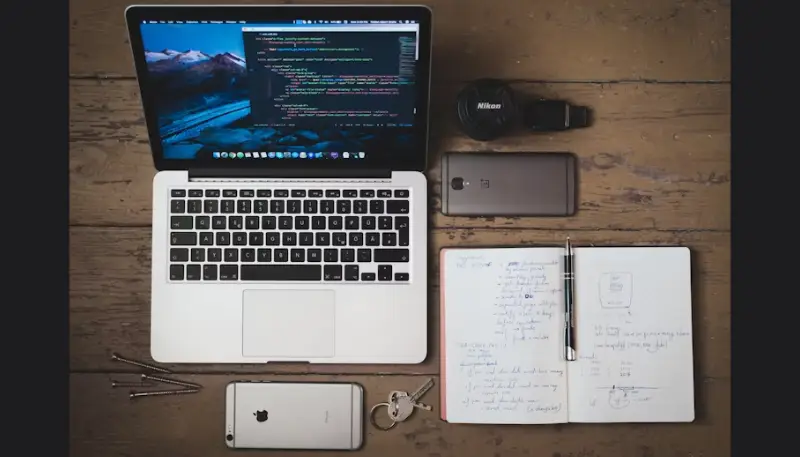
An open source maintainer can spend most of the day just dealing with issues and pull requests. They might be checking a bug or testing a change when another issue comes in, while a dependency is still waiting for an update.
Now some of those requests can be produced by AI almost instantly. The code may look reasonable, and the issue may sound convincing, but the person maintaining the project still has to stop and work out whether any of it is actually worth their time.
That is the awkward side of the AI boom in open source. The tools are making it easier to contribute, but they are not making the maintainer’s inbox any smaller.
Why the queue was hard to manage
A maintainer’s day can go in many directions. One moment they may be looking at someone’s question, and later they could be reviewing a change, dealing with a release, or trying to understand an old issue that has been sitting there for weeks.
There is also a simple numbers problem. A project might have thousands of users, but only a few people regularly review submissions.
AI changes those numbers because it removes much of the effort involved in creating a contribution. Someone can describe a problem to a coding tool and have an issue or proposed fix ready before they have spent much time investigating the problem themselves.
Why more activity isn’t always better
More activity in a repository can look encouraging. But a long list of pull requests does not tell a maintainer whether those changes are actually useful. If submissions need extensive checking, clarification, or correction, the extra activity becomes another workload rather than a benefit.
This is particularly noticeable with bug reports. An AI-generated report can be detailed and technically worded while still describing expected behavior as a bug.
Someone still has to check whether the problem is real. They may need to reproduce the issue, search through previous discussions, check the documentation, and then explain why the reported problem is not actually a problem.
Why AI-generated PRs are harder to review
A generated pull request can be harder to judge because it may look finished. The tests can pass and the code can look clean, but that does not mean the change belongs in the project.
AI may also solve the immediate problem while introducing a different approach from the one the project normally uses. A maintainer has to consider whether the change is easy to maintain, fits existing patterns, and avoids creating extra work later.
Someone familiar with the codebase still needs to decide whether the change makes sense.
What AI misses about project history
Open source projects carry a lot of history. A strange-looking piece of code may exist because an older version of a dependency behaved badly, or because changing an API once caused problems for users.
That background is not always written down next to the code. Maintainers often learn it through years of working on the project and reading old discussions.
An AI tool can produce a perfectly sensible solution without knowing any of that history. The result may work in isolation and still be a poor fit for the project.
Should projects ban AI contributions?
That would throw away some genuinely useful benefits. AI can help developers understand an unfamiliar codebase, prepare tests, investigate a bug, or handle a repetitive change.
The developer still needs to check the result before sending it to the project. AI-generated code should be treated as work that still needs an owner, not as something that becomes someone else’s responsibility the moment a pull request is opened.
A maintainer should not have to discover whether generated code works. That basic checking should happen before the contribution enters the review queue.
How automation can help maintainers
Not every bot creates extra work for maintainers. Some take care of the usual background tasks, including tests, formatting checks, duplicate issues, labels, and dependency updates.
Those jobs are a good fit for automation because the rules are relatively clear. A bot can flag a failed check without asking a maintainer to make a judgment call every time.
AI-based tools could be useful in similar ways. Grouping similar issues, summarizing long discussions, or highlighting reports that need attention could help maintainers deal with a busy queue.
The important question is simple: does the tool remove work, or does it create another thing for a human to review?
What makes contributions easier to review
If you are reporting an issue, give the maintainer some context about it. Just explain what happened and what you were trying to do.
For a pull request, a quick note about the change is usually enough. Say what you changed and mention if you tested it before sending it in.
This kind of context becomes more valuable as generated submissions become common. It gives maintainers a way to see that a person has looked at the result rather than simply forwarded it.
Does AI use need to be disclosed?
There is no need to treat every use of AI as a special event. Using an assistant to suggest a function or improve a test is very different from generating a large change and submitting it without much review.
For substantial machine-generated work, being transparent can still be helpful. It gives the maintainer some context about how the contribution was produced and makes the responsibility for checking it clearer.
The tool is not going to answer review comments or maintain the code after the merge. The contributor is still the person asking the project to accept the change.
How to protect maintainer time
Projects can reduce unnecessary work without making contribution rules overly complicated. Useful issue templates, contribution guidelines, automated checks, and a process for discussing major changes can prevent many weak submissions from reaching the main review queue.
There is also value in saying “not yet.” Asking someone to explain a large proposed change before they spend hours generating code can save both sides a lot of time.
That is not about keeping contributors out. It is about making sure a maintainer’s limited attention goes toward work that has a reasonable chance of being useful.
What to do before opening a PR
Don’t assume the code is ready just because AI generated it. Take a look at it, try it out, and see if it actually fits with the rest of the project.
Then ask a more basic question: is this change actually needed? AI is very good at producing solutions, but it does not decide whether a repository should accept those solutions. That decision still belongs to people.
Conclusion
AI has made the distance between “I have an idea” and “I opened a pull request” much shorter. For developers, that can be convenient; for maintainers, it can mean a review queue that grows much faster than before.
That does not mean AI has no place in open source. Open source projects can benefit from it when automation handles routine work, and contributors take responsibility for checking what they submit.
Maintainers still need time for work that depends on experience and judgment. AI can be useful in open source, but contributors need to make sure it reduces the workload rather than simply moving more work into someone else’s review queue.





Get involved!
Comments